How to Get So Good at Valorant It Feels Like Smurfing
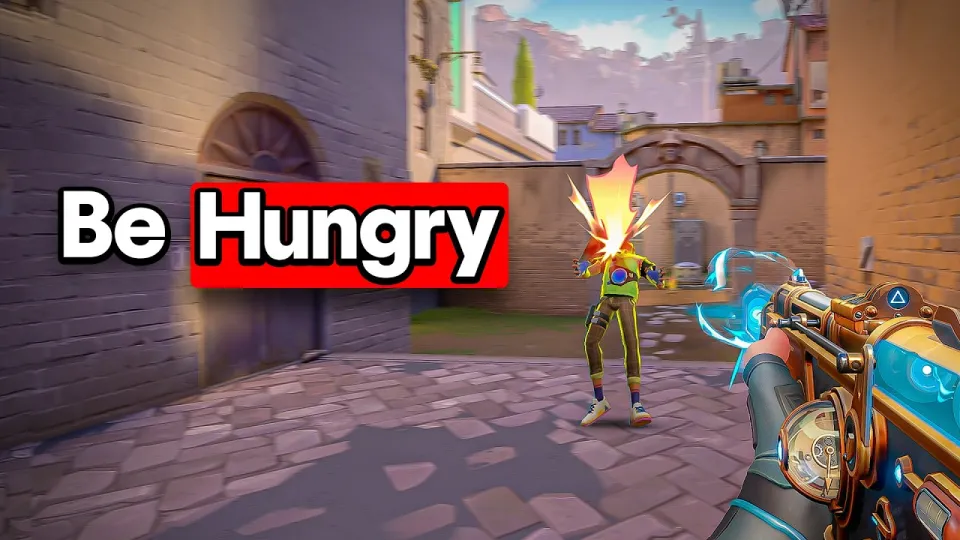
Video: How to Get So Good at Valorant it Feels Like Smurfing
You can order the same kind of articles for your own video to boost it on YouTube and Google. Just message the Telegram bot @sat_sit_bot. The bot writes and publishes the articles itself (with your YouTube video embedded) on popular topical websites (no ads). Free trial — 50 articles.
· based on the channel Konpeki
Getting so good at Valorant that you feel like a smurf is not about raw aim alone — it is about reacting to what the enemy actually does, staying unpredictable, and repeating a small set of disciplined habits until they become automatic. Smurfing in Valorant, in practice, means your decisions and mechanics are so far ahead of the lobby that every duel feels pre-solved. The fastest route there is to fix movement, crosshair placement, and decision-making in that order, then test them in real matches instead of the Range. If you want a structured path with outside accountability, Konpeki's Immortal Roadmap Program is open for applications through this link, where you can book a free call and see whether you are a fit.
Why reacting beats pre-planning in Valorant
The core idea behind smurf-level play is that you respond to information instead of running a script you wrote before the round started. Low-ranked players decide "I will push A main" in the buy phase and then execute that plan even when the enemy has already rotated, stacked, or shown an Operator. High-ranked players gather information — sound, minimap, utility, teammate contact — and let that information choose the play. This is why a player with average aim can dominate a lobby: they are always one step ahead because they are playing the round that is actually happening, not the round they imagined.
To train this, do the following in every match:
- Before the round, name one thing you will look for (a specific sound cue, a smoke, a flank).
- When that information appears, change your plan out loud, even if only in your head.
- After the round, ask whether you reacted or forced — write down one example of each.
Reaction also applies to duels. Instead of pre-firing a corner because "they are usually there," hold an angle that lets you see them first and shoot second. The player who shoots second but with better crosshair placement wins more duels than the player who shoots first into empty space.
How to become unpredictable so enemies cannot read you
Unpredictability is a trainable skill, not a personality trait. If you always take the same angle, push the same timing, or rotate at the same speed, good opponents will punish you within two rounds. Smurfs feel impossible to play against because their timing, position, and aggression level keep shifting in ways that are still rational. You do not need to do something random — you need to do something different from your own pattern.
Practical ways to build this:
- Change your contact timing: sometimes take space at 0:05 into the round, sometimes hold until 0:40.
- Vary your angle depth: close angle one round, off-angle the next, wide swing after that.
- Rotate at different speeds: fast rotate when you have info, slow rotate when you do not.
- Swap roles inside your agent's kit: entry one round, lurk the next, anchor after a lost pistol.
A useful drill is to review your own VOD and mark every round where an enemy could have predicted you in advance. If most rounds are predictable, that is the leak — not your aim. Fixing predictability often produces a bigger rank jump than another week in the Range.
Movement and crosshair habits that separate ranks
Most Valorant players lose duels before they fire a bullet, because their movement and crosshair are not ready when contact happens. Counter-strafing — tapping the opposite key to stop instantly — is the single most valuable mechanical habit below Immortal. If you are still sliding while you shoot, your first bullet goes nowhere near the target. The fix is boring but fast: spend ten minutes a day in the Range or a Deathmatch moving left and right, stopping fully, and firing one tap. Some players slow the movement error multiplier in the Range settings to around 0.5 to make the feedback clearer while learning.
Pair movement with crosshair placement. Your crosshair should already be at head level on the angle you expect, not dragged there after the enemy appears. Three habits to build:
- Pre-aim common angles before you peek, not after.
- Keep your crosshair at head height even while walking and rotating.
- Clear one angle at a time instead of wide-swinging into multiple angles.
These habits compound. A player with clean stops and correct crosshair placement will look like a smurf in a Gold lobby even with average flick speed, because they simply do not miss the easy shots.
Decision-making and utility timing for climbing faster
Utility wins rounds that aim cannot. Smurf-level players use smokes, flashes, mollies, and recon tools to remove the enemy's options rather than to decorate the site. Before you throw anything, ask what the utility is supposed to accomplish: block a specific angle, force a rotation, or secure a plant. If you cannot answer that, save it.
A simple framework for every round:
- Identify the one piece of utility that decides the fight (a flash for entry, a smoke for the Operator, a molly for the plant).
- Use it at the moment it changes the fight, not at the start of the round out of habit.
- Track enemy utility usage — if their smoke is down, that angle is open for the next twenty seconds.
Decision-making also includes economy. Buying with your team, saving together, and forcing at the right moment wins more rounds than individual hero buys. Players who climb quickly treat credits as a team resource, not a personal scoreboard.
Common questions from players trying to rank up
Players working on this often hit the same doubts, so it helps to address them directly. One recurring question is whether you should stop fully between shots during side-to-side movement drills, or keep moving continuously and fire when the direction switches. The honest answer: stop. Counter-strafing means the movement key is released or the opposite key is tapped so velocity hits zero before the shot. If you are firing mid-movement, you are training a bad habit that will not translate into matches.
Another common concern is whether coaching works for console players. Yes — the fundamentals of positioning, timing, and decision-making are platform-independent, even though aim mechanics differ on controller. If you play Valorant on PS5 or Xbox, focus on crosshair (reticle) placement, ability timing, and map awareness first; those transfer directly.
Some players also ask whether there is an age requirement for structured programs. Most coaching programs simply require that you can commit to the schedule and communicate with a coach; if you are a minor, expect to need parental consent. The best way to find out for a specific program is to ask on the free call rather than guessing.
Finally, many players feel that advice like "play simple, make a plan" sounds repetitive. It is repetitive because it is true — the same fundamentals decide rounds in Iron and in Radiant. The difference is how consistently they are executed under pressure.
Useful links
- Apply to the Immortal Roadmap Program: https://roadmap.gg/v/lUfrMRb74SE
- Free coaching resources and office hours on Discord: https://www.discord.gg/UnRETVmRpV
- Twitch: https://www.twitch.tv/konpekichan
- Twitter: https://twitter.com/coachpeki
- TikTok: https://www.tiktok.com/@coachpeki
Final thoughts on playing like a smurf
Becoming so good at Valorant that it feels like smurfing is the result of stacking small, unglamorous habits: reacting to real information, staying unpredictable, stopping before you shoot, and using utility with intent. None of these require Radiant-level aim, and all of them show up immediately in your ranked games. The players who climb fastest are the ones who review their own rounds, fix one leak at a time, and keep testing changes in competitive matches instead of only in the Range. Konpeki's breakdown of this topic is a good starting point because it focuses on decision-making rather than mechanical shortcuts. If you want structure and accountability, book a free call through the Immortal Roadmap Program at roadmap.gg and see whether it fits your goals.
Key takeaways
- Smurf-like play comes from reacting to the enemy instead of forcing pre-planned plays.
- Unpredictability is a skill: change timing, angles, and pace so opponents cannot read you.
- Movement discipline — counter-strafing and stopping before you shoot — separates ranks fast.
- Aim is only one input; crosshair placement, peeking, and utility timing decide most duels.
- Konpeki's Immortal Roadmap Program advertises 5 divisions in 10 weeks with a free call to apply.
Questions & answers
What does it actually mean to play like a smurf in Valorant?
It means your decisions and mechanics are far enough ahead of the lobby that duels feel pre-solved. You react to enemy information instead of forcing a plan, you stay unpredictable in timing and positioning, and your movement and crosshair are ready before contact. Aim matters, but decision-making is what makes the gap look huge.
Should I stop moving between shots during side-to-side aim drills?
Yes. The point of the drill is counter-strafing: you tap the opposite key or release movement so your velocity hits zero, then fire. Firing while still sliding trains a habit that will not translate into real duels. If the feedback is hard to read, lowering the movement error multiplier in the Range settings can make it clearer while you learn.
Can console players get the same coaching for Valorant?
The fundamentals — positioning, timing, utility usage, map awareness — transfer to console even though aim mechanics differ on a controller. If you play on PS5 or Xbox, prioritize reticle placement, ability timing, and reading the minimap. A coach can still review your VODs and fix decision-making leaks regardless of platform.
Is there an age requirement to join a structured Valorant coaching program?
Most programs do not set a strict age limit, but they do expect you to commit to the schedule and communicate with a coach. If you are a minor, you will usually need parental consent. The fastest way to get a clear answer for a specific program is to ask during the free introductory call.
Source: How to Get So Good at Valorant it Feels Like Smurfing · Markdown version